Innovation Lab

Arrma Experiments With the Science Inside RC Play

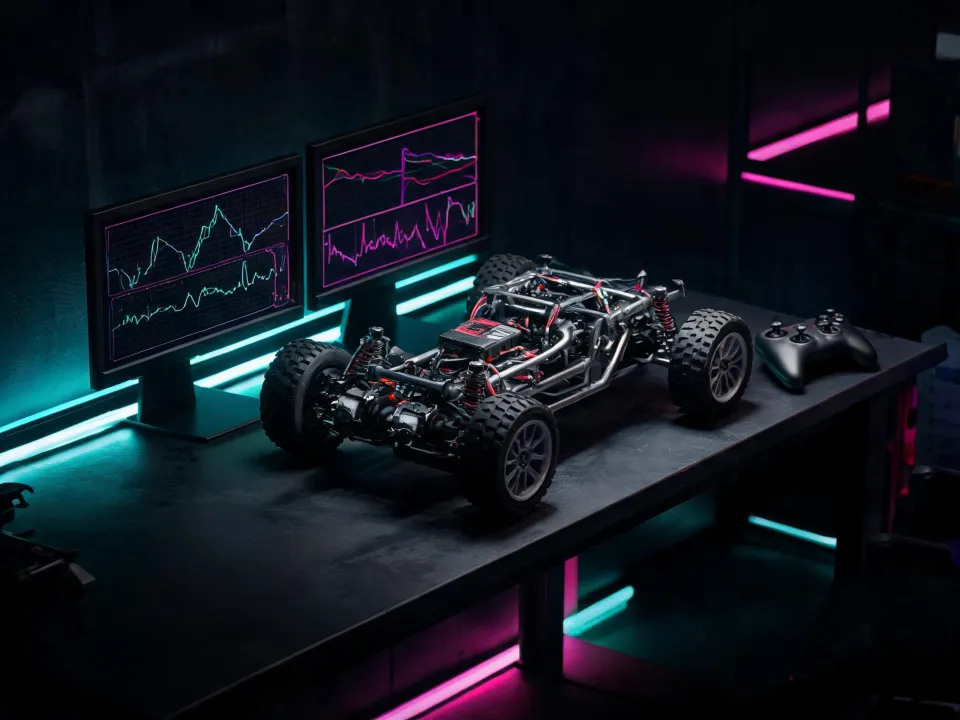
The Arrma lab turns electric toys into approachable engineering moments: controlled speed, battery awareness, tire grip, impact learning, and simple telemetry that older kids can understand without losing the rush of a run.

RC electric toy technology lab with telemetry screens
Data dashboard

What We Measure Before a Model Reaches a Driver

Arrma uses a dashboard mindset to balance fun and control. The goal is not to make toys feel clinical; it is to make electric performance easier to explain, repeat, and improve.

Grip4 surface profiles

Carpet, tile, asphalt, and packed dirt checks help tune tire recommendations for common family play spaces.

Run Time15 min target window

Battery behavior is reviewed around realistic play sessions, cool-down breaks, and adult supervision routines.

Impact8 bump angles

Shell, bumper, and suspension reviews look at the small accidents that happen during first-week driving.

Control3 throttle steps

Progressive modes let drivers graduate from careful steering to faster response without changing the entire vehicle.

Lab notes

Documents That Translate Tech Into Play

Starter Speed Ladder

A concise guide for matching throttle levels to age, space, and supervision style. It helps adults explain when to slow down, when to practice, and when a driver is ready for more punch.

Request PDF

Battery Care Play Card

A family-friendly card covering charge cues, cool-down time, storage habits, and signs that a pack needs adult attention before the next run.

Request PDF

Grip Experiment Sheet

A simple worksheet for comparing lap feel on carpet, driveway, and packed dirt so kids can connect tire contact with real-world performance.

Request PDF
Technology path

How Ideas Move Through the Lab

Every feature starts with a play problem, not a buzzword. A safer battery door, clearer mode switch, or stronger bumper is judged by how well a family can use it during a real afternoon of driving.

01

Observe the play moment

Teams watch how children hold controllers, where vehicles crash, how adults explain safety, and what makes a driver ask for another turn.

02

Prototype the control cue

Speed steps, indicator language, grip recommendations, or part-access details are mocked up before they become part of a product story.

03

Run repeatable tests

Lab and play-route checks compare surfaces, battery windows, impact points, and steering confidence across common age groups.

04

Translate for the shelf

The final work is practical language: how to buy it, where to drive it, how to care for it, and when a child is ready to level up.
Bring the lab into your next RC toy program.

Ask for help shaping a STEM demo, retail education plan, or family buying guide built around real electric toy behavior.